

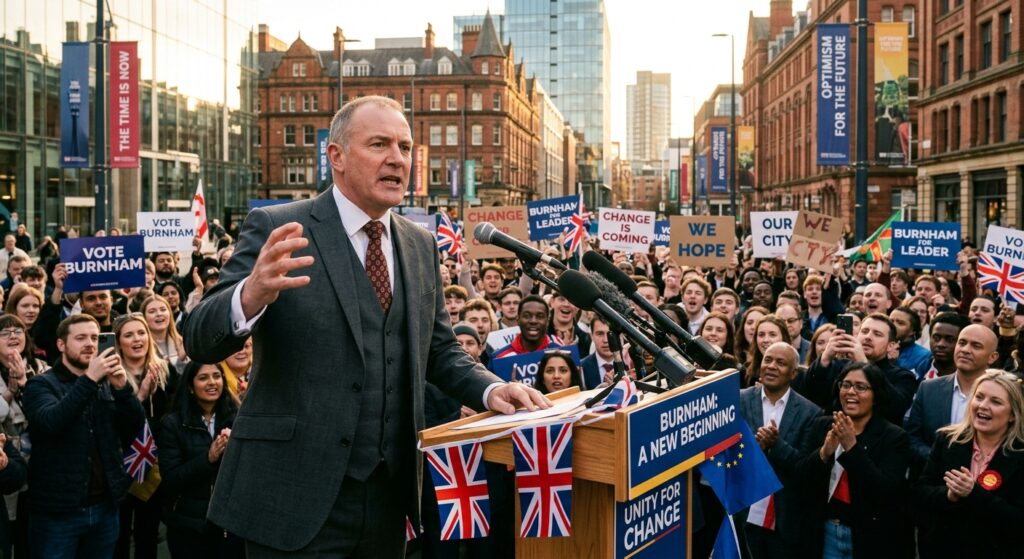
Highlights:
– By lunchtime today, the UK will witness a significant political shift as it welcomes its fifth Prime Minister in just four years.
– The rapid turnover in leadership reflects growing public discontent and a fragmented political landscape following Brexit and the pandemic.
– Andy Burnham, stepping into the role, aims to break the trend of unpopular governments and adopt a more direct approach to engage with the electorate.
Political Turmoil in the UK
In an astonishing political landscape, the United Kingdom is set to usher in its fifth Prime Minister in four years, a statement that starkly encapsulates the challenges facing British politics today. The departure of Boris Johnson last summer heralded an era marked by brief tenures of leaders including Liz Truss and Rishi Sunak. Their inability to stabilize governance amid rising public dissatisfaction has raised questions about the efficacy of current political leadership.
The backdrop of this political churn can be traced back to significant events such as Brexit and the ongoing impacts of the pandemic, which have left many citizens feeling alienated and frustrated with the state of government. The atmosphere is ripe for change, as evidenced by the keen observation made by Andy Burnham, who acknowledges the current frustrations of voters and the volatility of political support. This unprecedented frequency of leadership turnover is challenging traditional expectations and norms surrounding the office of Prime Minister.
Andy Burnham: A New Vision for Leadership
As Burnham prepares to take the reins, his mission is clear—he wants to reverse the prevailing trend of dissatisfaction directed at government officials. With a commitment to a leadership style similar to that of his tenure as Mayor of Greater Manchester, he aims to directly address the concerns of the electorate. This approach stands in stark contrast to his predecessors, who often appeared disconnected from the public’s frustrations.
Burnham is ready to embrace a more informal and accessible style, eschewing traditional conventions that could alienate him from the public. For instance, he may forgo the use of a lectern during his inaugural speech at 10 Downing Street, opting instead for a more direct communication style. Furthermore, he plans to initiate “People’s Question Time” sessions that allow him to engage directly with voters across the country, reinforcing his commitment to transparency and accountability in governance.
Implications for the Future of British Politics
The arrival of Andy Burnham as Prime Minister could signal a pivotal shift in how leaders interact with constituents. By advocating for a more participatory model of governance, he may help to mend the rift between politicians and the public that has widened in recent years. If successful, Burnham’s initiatives could restore a sense of faith in government and encourage greater political engagement among citizens who feel disenfranchised.
However, the challenges remain substantial. With the political landscape still fraught with division and public skepticism, Burnham will have to navigate a myriad of complex issues, including economic recovery, social justice, and national unity. As he embarks on this new chapter of political leadership, the question remains whether these ambitious plans will resonate with the electorate and lead to a sustainable transformation of trust in government.
In conclusion, as the UK embraces its fifth Prime Minister in a brief span, the implications of Andy Burnham’s leadership style could herald a new era in British politics characterized by increased transparency and greater public involvement. What challenges will Burnham face as he seeks to establish his authority? Can his proposed changes effectively bridge the current divide between the government and citizens? How will public response to his initiatives shape the future of the political landscape in the UK?
Editorial content by Jordan Taylor